
SYDNEY CBD

SYDNEY CBD
SYDNEY CBD
SYDNEY CBD

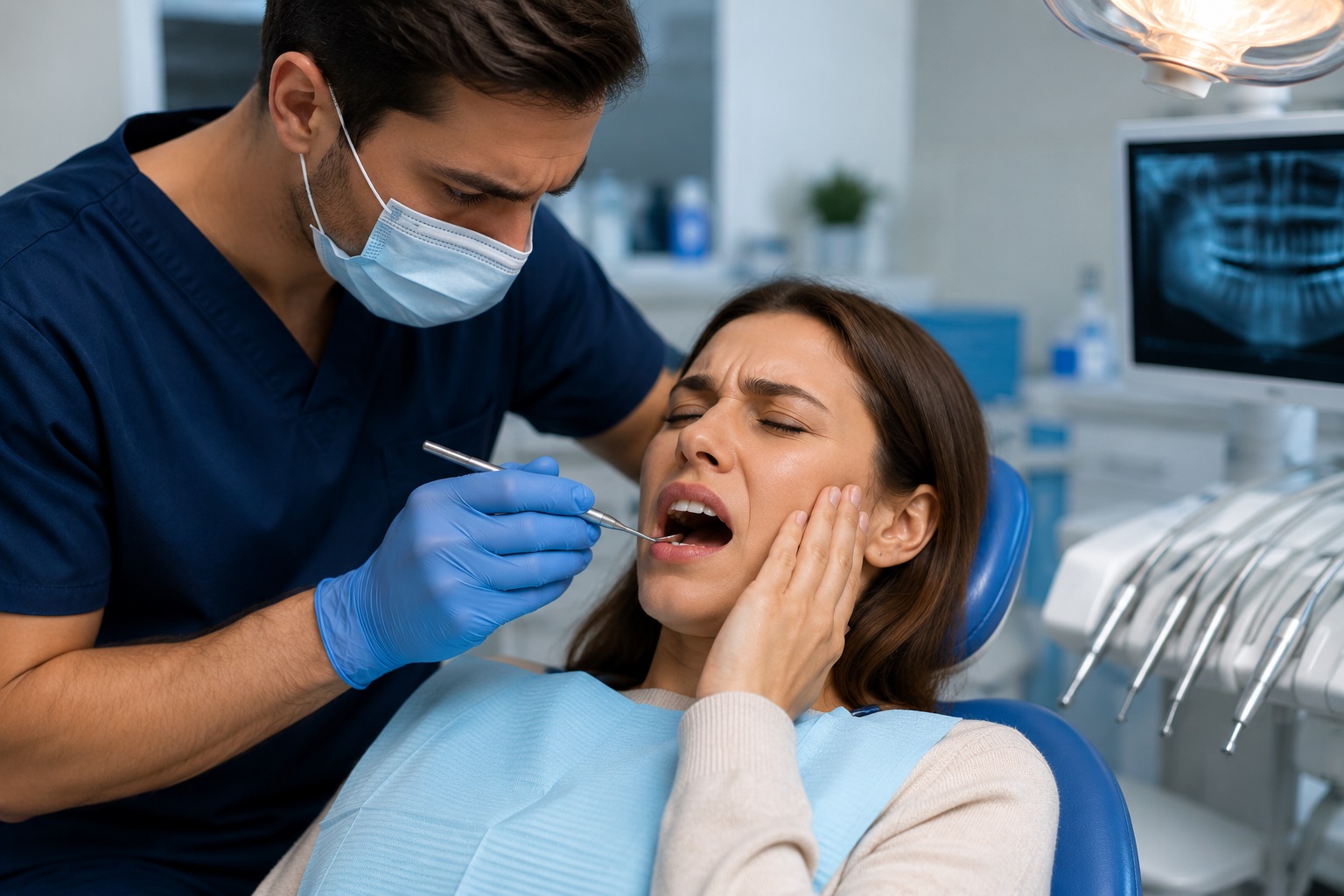
For decades, dentistry followed a predictable pattern. A patient would come in with a cavity. The dentist would drill out the decay and place a filling. Years later, that filling would fail or develop decay around its edges. The dentist would drill it out again, making the filling larger. This cycle would repeat until the tooth was so compromised that it needed a crown, then eventually a root canal, and finally, extraction.
This was considered normal. This was considered good dentistry.
But something has changed in recent years. The profession has quietly undergone a fundamental shift in philosophy. The focus has moved away from repairing teeth after they break down and toward preserving them so they never reach that point in the first place.
It sounds obvious when you say it out loud. Of course, you’d rather prevent a problem than fix one. But for a long time, dentistry didn’t really operate that way. The tools and techniques simply weren’t there to detect problems early enough or treat them conservatively enough to make prevention the primary strategy.
Now they are.
Natural teeth hold up well. But once part of one is gone, nothing you put in its place works quite the same.
Even a good filling, crown, or implant is standing in for something the body built first, and it’s never a perfect swap.
So the question dentists ask has shifted. It used to be “how do we fix this.” Now it’s closer to “how do we keep this from getting worse.”
The old way looked like:
The newer way looks more like:
Catch something early enough, and there are just more paths open to you.
There’s a common assumption that if a tooth isn’t hurting, nothing’s wrong with it. Not true, unfortunately.
A small cavity can sit there quietly for months. Early gum disease is the same; it can develop without any pain at all in the beginning. Cracks deepen a little more every time you chew, and you’d never know it’s happening.
By the time it actually hurts, you’re usually past the simple fix.
| Early Stage | If Left Untreated |
|---|---|
Small cavity |
Large filling |
Deep cavity |
Root canal treatment |
Mild gum inflammation |
Advanced gum disease |
Small crack |
Crown or extraction |
Preventive dentistry exists to interrupt that slide somewhere earlier on the list, not after.
Treatment almost always takes something off the tooth, even a small amount, even with the most careful dentist.
Materials have gotten good. Nothing replaces healthy enamel once it’s gone, though.
So the priorities have shifted toward things like:
Not fixing a tooth when something goes wrong with it. Keeping it working for decades in the first place.
Dental technology has moved a long way, and preventive care has moved right along with it.
Digital imaging catches things a dentist can’t spot just by looking, things like:
Catch it earlier, and what follows tends to be less invasive, with results that hold up longer.
A check-up isn’t just someone glancing at your teeth for cavities anymore. It’s closer to a proper health assessment of your whole mouth.
Adults put dental care off for the usual reasons. Busy. Nervous. Figuring it’ll settle down on its own.
Teeth don’t work that way, though. They don’t heal themselves.
Occasional sensitivity can turn into pain bad enough to need emergency dental treatment, and by that point, the choices have narrowed considerably.
What tends to land people in front of an emergency dentist:
Most of these were small, manageable problems, a few months before they became emergencies. Getting in early usually means the urgent appointment never happens at all. If you’ve got ongoing pain, swelling, or a broken tooth right now, seeing an emergency dentist promptly is what stops it from going further.
The clearest sign of this shift is how much more effort now goes into keeping the natural tooth in place at all.
A badly infected tooth used to just come out. Simple as that.
Now, root canal treatment can clear the infection and leave the tooth itself sitting there, still doing its job.
Keeping the tooth:
Taking it out instead:
Done well, root canal treatment means someone keeps using their own tooth for years, sometimes for the rest of their life.
Fear keeps a lot of people out of the chair longer than they should be.
Some patients are worried about pain. Some had a bad experience years ago and never quite got past it. Some are just nervous, and that’s fair enough too.
Sleep dentistry has made a genuine difference here for a lot of patients.
Depending on what someone needs, sleep dentistry can mean sedation that takes the edge off and lets treatment happen without the usual dread.
For some people, that’s the difference between getting preventive care done early and putting it off until it hurts too much to ignore.
If dental anxiety has kept you away, it’s worth asking what sleep dentistry options the practice has.
Preventive dentistry isn’t only better for the teeth. It tends to cost less, too.
| Preventive Care | Possible Future Treatment if Delayed |
|---|---|
Routine examination |
Emergency consultation |
Professional cleaning |
Gum disease treatment |
Small filling |
Crown |
Early monitoring |
Root canal treatment |
Preventive advice |
Tooth replacement |
Every case is different, sure. But dealing with things early is, more often than not, a shorter appointment and a smaller bill.
Healthy teeth do more than look decent in photos.
They support comfortable eating, clear speech, a bit more confidence, healthier gums, a lower chance of infection, and generally a better quality of life day to day.
Stay on top of it, and you tend to avoid the surprise emergency dental visit down the track.
Preventive dentistry, at the end of the day, is just an investment in how your mouth feels, not only how it looks.
Modern dentistry isn’t built around fixing damaged teeth after the fact anymore. It’s built around keeping healthy structure intact, catching risks while they’re small, and helping people hold onto their own smile for as long as they can.
Regular check-ups, treating things on time, decent habits at home, and options like sleep dentistry for anxious patients all add up to fewer complications that never needed to happen. Get in early enough, and you may skip the emergency dentist altogether, avoid extensive emergency dental treatment, or sidestep needing root canal treatment down the line.
The earlier you look after your teeth, the more choices stay on the table later.
Smile Concepts works on a simple idea: the best dentistry is usually whatever stops a bigger problem from happening in the first place. With modern diagnostic tools, treatment built around the individual patient, and a conservative approach wherever it fits, the focus stays on keeping healthy teeth rather than replacing them unnecessarily. Preventive care, sleep dentistry, or urgent treatment, whatever’s needed, the recommendation comes back to your long-term oral health.
Ready to protect your teeth before small problems turn into bigger ones? Book a comprehensive dental examination and find out what preventive dentistry can do for your smile.
For general educational purposes only. This blog is not a substitute for professional dental advice. Please consult a registered dental practitioner for a proper assessment and personalised treatment recommendations.
Most dental problems build up slowly rather than appearing overnight. Catching things early with preventive care usually means avoiding the bigger treatment that comes later.
It can. Sleep dentistry offers sedation that helps a lot of anxious patients get through routine and preventive visits without the usual stress.
Get to an emergency dentist if you’re dealing with severe pain, swelling, a knocked-out tooth, bleeding that won’t stop, or a broken tooth that’s genuinely bothering you.
Not always, accidents happen, and there’s no preventing those. But plenty of emergency dental visits trace back to untreated cavities, cracked teeth, or infections that a routine check would’ve caught months earlier.
Usually, yes. Root canal treatment clears out the infection while leaving the natural tooth structure in place, so it keeps functioning and looking the way it should.
Every six months works for most adults, though your dentist might suggest something different depending on your health, your history, and your own risk factors.