

SYDNEY CBD
SYDNEY CBD

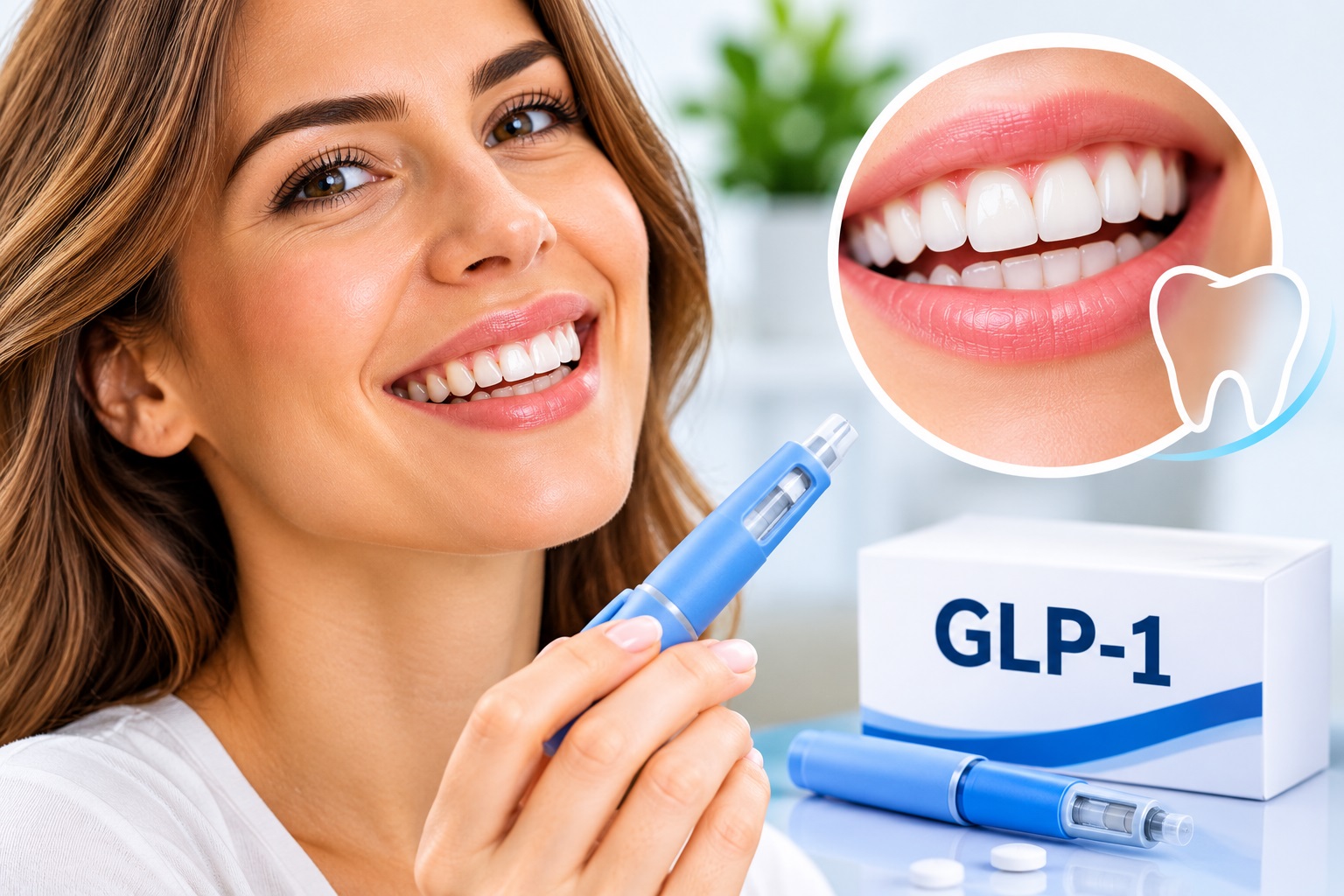
GLP-1 medicines work by mimicking a natural hormone that helps regulate blood sugar, slows stomach emptying and increases the feeling of fullness. These effects can be very helpful for managing diabetes and weight, but they can also bring changes that affect your mouth.
The most relevant side effects for dental health include:
Each of these can affect the balance in your mouth that normally protects your teeth. That’s why it helps your dental team to know if you’re taking one of these medicines.
When your mouth produces less saliva, those protective effects drop. This can increase the risk of:
Some people taking GLP-1 medicines naturally drink less water because they feel full or less thirsty. Others manage nausea by sipping sweet drinks or sucking lollies, which can raise decay risk further when combined with a dry mouth.
Signs of dry mouth to watch for:
If you notice any of these, let both your doctor and dentist know.
Nausea, vomiting and reflux are recognised side effects of GLP-1 medicines, particularly during the early weeks of treatment or after a dose increase.
When stomach acid reaches the mouth, it can soften the outer layer of your teeth, the enamel. Repeated exposure can lead to dental erosion: gradual wear of the tooth surface that can’t regrow once lost.
Signs of enamel erosion may include:
It may feel natural to brush straight away, but brushing softened enamel can cause more wear. Instead:
If you experience frequent nausea, vomiting or reflux, speak with your doctor, who may be able to help manage these symptoms.
Researchers are also investigating how GLP-1 medicines might affect gum health, but the evidence is still emerging, and no firm conclusions can be drawn yet.
What we do know is that factors often associated with these medicines, such as dry mouth, changes in diet and reduced oral comfort, can make it harder to keep plaque under control. Plaque buildup is the main cause of gum inflammation (gingivitis), which can progress to gum disease (periodontitis) if left untreated.
It’s also worth remembering that many people prescribed GLP-1 medicines have type 2 diabetes, a condition already linked to a higher risk of gum disease. Well-managed blood sugar levels support healthier gums, while poorly controlled diabetes can make gum problems worse.
Watch for these warning signs of gum disease:
If you notice any of these signs, early treatment can make a big difference. Learn more about our gum disease treatmentThis file is outside this session’s folders, so it can’t be opened here..
The good news is that a few simple habits can go a long way in protecting your teeth and gums while you’re on treatment.
For more ideas on protecting your teeth, read our blog: Why Some People Rarely Get Cavities.
The 2026 guidance in the Canadian Journal of Diabetes suggests closer dental hygiene recalls for patients experiencing dry mouth.
Depending on your individual risk, your dentist may recommend more frequent check-ups and cleans, for example every three to four months instead of every six. Regular visits allow your dental team to:
One of the simplest and most useful things you can do is keep your dental team informed about all the medicines you take, including GLP-1 medicines, other prescriptions, over-the-counter products and supplements.
This helps your dentist to:
GLP-1 medicines slow stomach emptying. If you need any procedure involving sedation or general anaesthesia, it’s especially important that your dental and medical teams know you’re taking one. Always follow the instructions provided by your doctor and dentist before any procedure.
GLP-1 medicines can be an important part of managing diabetes and weight for many Australians. While some side effects may affect your teeth and gums, most risks can be reduced with good daily habits, regular dental visits and open communication with your healthcare team.
At Smile Concepts, we understand that your oral health is closely connected to your overall health. If you’re taking a GLP-1 medicine, our team can work with you to protect your teeth and gums throughout your treatment.
Your dentist Dr. Manish is an important part of your wider healthcare team as he is also dealing with scopes like weight loss and snoring, etc. With your consent, we’re happy to communicate with your GP or specialist so that your dental care fits safely around your medical treatment. That’s especially important if you need procedures involving sedation.