
SYDNEY CBD
SYDNEY CBD

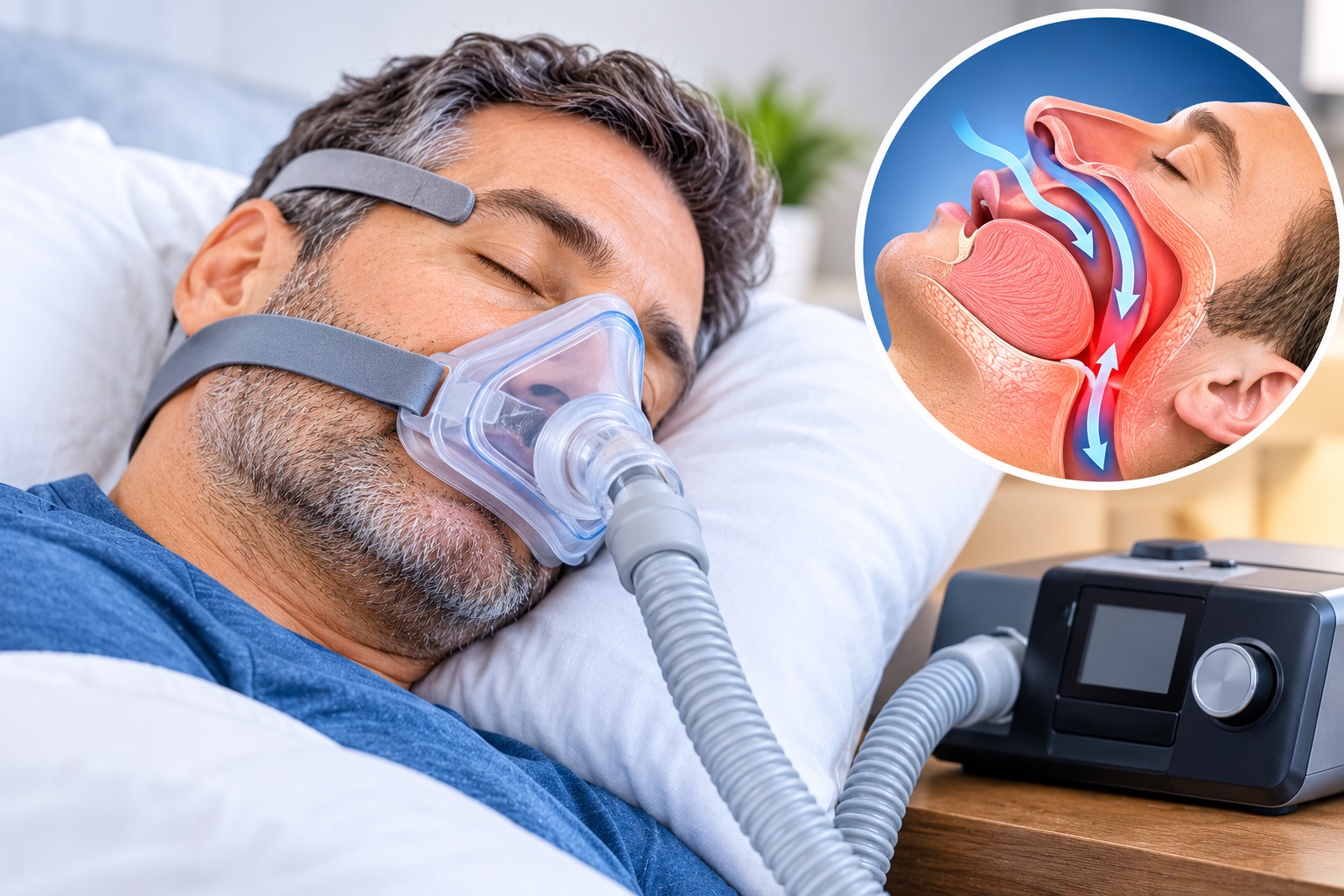
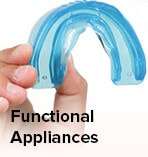
If you’ve been told you snore loudly, wake up tired no matter how long you sleep, or have been diagnosed with obstructive sleep apnoea (OSA), you’ve probably heard of CPAP. You may also have heard that a custom-made mouthguard, called an oral appliance, is another option.
A new study published in the American Journal of Medicine in October 2026 has added to the conversation. It compared an oral appliance with CPAP in people who have both sleep apnoea and high blood pressure. In this article, we explain what the study found, what it doesn’t tell us, and how to work out which treatment may suit you.
Obstructive sleep apnoea happens when the airway repeatedly narrows during sleep. Each time this happens, breathing briefly slows or stops, oxygen levels can drop, and the brain partially wakes you to restart breathing. For some people, this happens dozens of times an hour, often without them realising.
These repeated interruptions put the body under stress. Over time, untreated sleep apnoea has been linked to:
Because of the strong link between sleep apnoea and blood pressure, researchers are keen to understand how different treatments affect cardiovascular health, not just snoring or sleep quality.
Common signs of sleep apnoea include:
If any of these sound familiar, it’s worth speaking with your GP.
The study, published in the American Journal of Medicine in October 2026, included 180 patients with moderate to severe obstructive sleep apnoea who also had high blood pressure.
Participants were treated with one of two options:
The researchers compared how each treatment affected blood pressure. They also looked at daytime sleepiness and how many hours per night patients actually used their treatment.
The study found that the oral appliance gave similar blood pressure control to CPAP in this group of patients. This is an interesting finding, because CPAP is generally more effective at reducing the number of breathing interruptions during sleep.
The researchers also assessed daytime sleepiness, one of the most noticeable symptoms of sleep apnoea for patients.
One of the most practical findings concerned how much each treatment was actually used:
A treatment can only help while it’s being used. CPAP is very effective at keeping the airway open, but some people find the mask, air pressure or noise hard to tolerate and may remove it during the night or stop using it altogether.
Oral appliances may not open the airway as completely as CPAP for every patient. However, people may find them easier to wear consistently. Researchers often describe this as the balance between how well a treatment works when used and how much it is used in real life.
It’s important to be clear: CPAP remains the preferred, first-line treatment for moderate to severe obstructive sleep apnoea.
The gold standard because it:
This new study doesn’t replace CPAP. Instead, it adds to growing evidence that oral appliances can be a valuable option for selected patients, particularly when CPAP isn’t working for them.
A sleep apnoea mouthguard isn’t right for everyone, but it may be worth discussing with your doctor if you:
Like any treatment, oral appliances can have side effects. These may include temporary jaw or tooth discomfort, excess saliva or a dry mouth, and in some cases gradual changes to the bite over time. Regular dental reviews help us monitor your teeth, gums and jaw.
Choosing the right treatment starts with an accurate diagnosis. Sleep apnoea can’t be diagnosed by snoring alone.
Your GP can look at your symptoms, medical history and risk factors, and refer you for a sleep study if needed.
A sleep study measures your oxygen levels and sleep patterns overnight. Depending on your situation, it may be done in a sleep clinic or at home. The results help determine whether you have sleep apnoea and how severe it is.
Your sleep physician or doctor will recommend the most suitable treatment, which may be CPAP, an oral appliance or other approaches such as weight management or positional therapy.
If an oral appliance is recommended, then what dentist will do it?
Your doctor may ask to have a follow-up sleep study to check how well the appliance is working. Ongoing teamwork between your dentist and medical team is key to safe, effective treatment.
If you’ve been diagnosed with sleep apnoea, or you’re struggling with CPAP, a custom oral appliance may be an option to discuss with your doctor. At Smile Concepts, our team works alongside your GP and sleep physician to provide carefully fitted oral appliances for suitable patients.
We’ll assess your teeth and jaw, explain the benefits and possible side effects, and support you with regular reviews throughout your treatment.